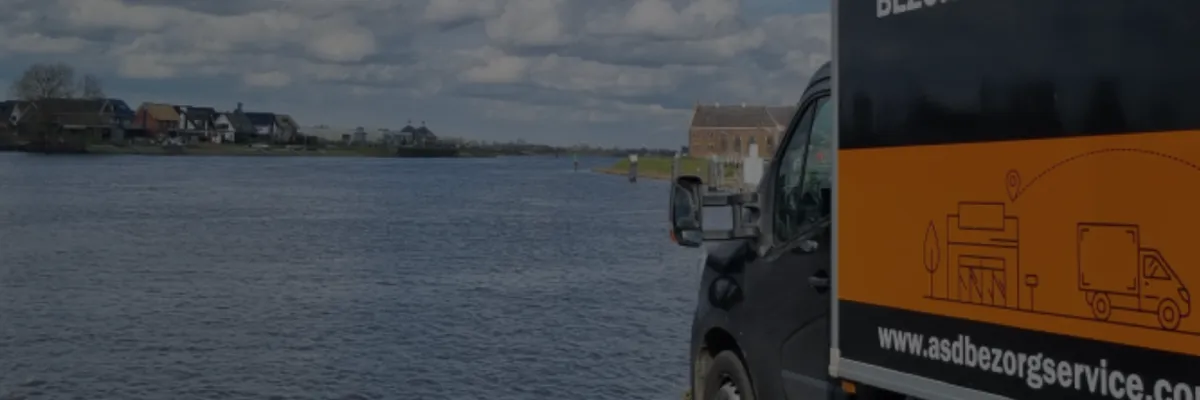
ASD Tilburg - All-in-One Logistics Platform
Logistics platform that centralizes planning, delivery status, and customer notifications, giving ASD far less manual work and much better operational oversight.
What we delivered
A mix of strategy, design, and engineering that shortens the path from idea to working solution.
Skills
Technologies
Project overview
The platform digitalizes the full delivery workflow for ASD Tilburg. Orders are automatically imported via LogicTrade/Data Connectors, after which planners build routes in one dashboard, track shipment statuses, and proactively inform customers through MessageBird SMS.
The core goal of the project was visibility and control. Where information had previously been scattered across Excel files, mobile phones, separate store portals, and paper sheets, this platform brings planning, communication, and status tracking together in one operational flow.
Collaboration
I worked directly with the owner and the people responsible for daily planning. Their real-world experience shaped the user stories and priorities. Short feedback cycles helped us make the platform fit ASD’s actual workflow instead of an abstract logistics model.
Technical implementation
- Laravel REST API & queue workers for order import, status updates, and PDF label generation.
- Angular PWA with offline caching and a drag-and-drop planning overview.
- MessageBird: SMS notifications for order receipt, in-transit status, and delivery.
- Import pipeline (CSV/JSON) from LogicTrade/Data Connectors with validation & error logging.
- Postman collections for regression testing and API documentation; pipeline runs with each release.
Challenges
- Correct mapping & validation of import data despite limited feedback from the external source.
- Linking 15+ status types to the correct automatic actions (SMS, label, archiving).
- Scope changes along the way - reshaping features without losing sight of deadlines.
- Digitizing a largely paper-based workflow and coordinating with sometimes difficult external communication.
Result
The platform is actively used by 2 planners, ASD managers, multiple connected stores, and drivers in the last-mile delivery flow. In practice, it delivered two key improvements:
- planning deliveries and sending notifications dropped from roughly 8 hours to 2 hours
- the team gained much better visibility into current delivery statuses and active routes
With 25+ deliveries per day and 1,500+ notifications per month, that translates into a major reduction in manual coordination and much less dependence on disconnected communication tools.
Reflection
This project clearly showed how much impact comes from combining planning, communication, and status data in one system. For me, it was a strong mix of product thinking, logistics process improvement, and hands-on technical delivery. It also reinforced how important offline support and reliable status flows are in an operational environment where planners and drivers need the system to keep working at all times.
Inspired by this project?
If you see similar friction or growth potential in your own business, we can translate this into a practical roadmap for you.
Other projects
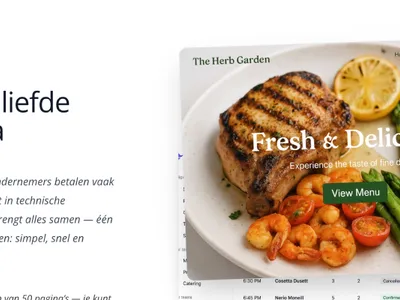 SaaS Platform
 Nomly platform for restaurants in development
Product concept and platform development for hospitality businesses that want to combine website, CMS, reservations, and marketing tools in one subscription.
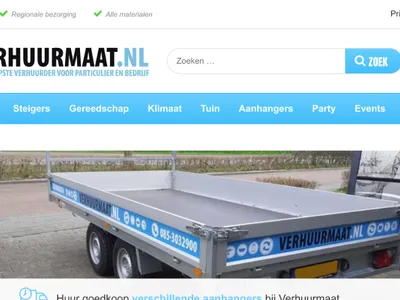 SaaS Platform
 Verhuurmaat Suite - One Order and Rental Platform Behind Multiple Brands
Central order and rental platform that combines planning, inventory, and billing for multiple websites and rental brands inside one manageable system.
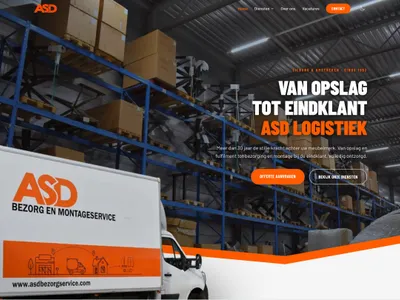 Website
 ASD Logistiek - Multipage Website for Visibility, Speed, and Growth
Fully redesigned Astro website for ASD Logistiek, focused on SEO, speed, stronger brand presentation, and room for expanded services.