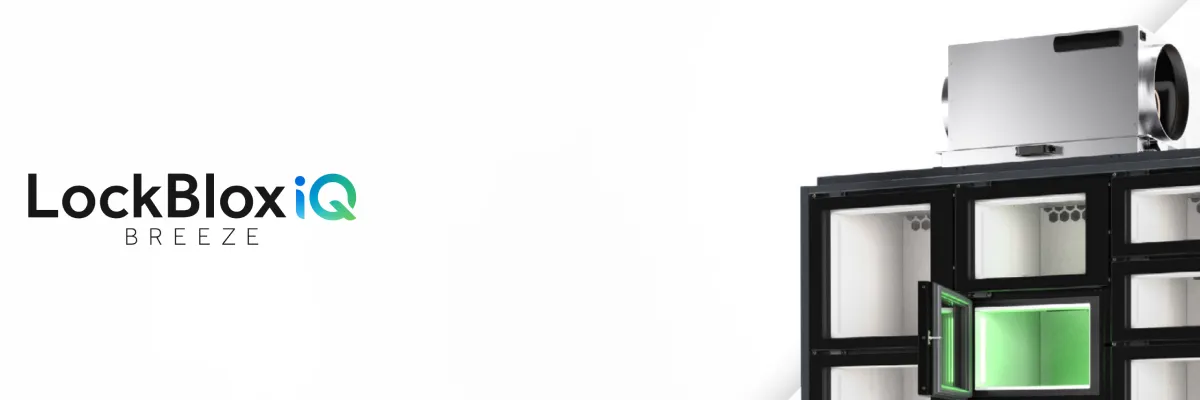
Zuply and LinxiQ integration for smart vending machines
Integration of new LinxiQ vending hardware with added IoT sensing, connected to existing vending software and the Zuply platform for real-time machine insight.
What we delivered
A mix of strategy, design, and engineering that shortens the path from idea to working solution.
Skills
Technologies
Project overview
For this project, FreshConnected worked on integrating new LinxiQ vending hardware with existing vending software and the Zuply platform. This hardware introduced extra smart sensing, including IoT data such as temperature, door status, and other machine feedback, giving the machines more operational intelligence than a standard setup.
The core of the work was making that new hardware layer usable inside the existing software environment, so machine owners, operators, and customers could rely on a system that not only dispenses products, but also provides better visibility and control.
Collaboration
This integration involved collaboration across hardware, frontend, backend, and cloud sides of the product. The work was not only about connecting systems, but about fitting a new machine type into an existing platform and existing operational flows.
That required clear coordination: the new hardware capabilities had to become practically usable without making the broader product unnecessarily complex or unstable.
The business challenge behind the project
The business challenge was straightforward: how do you add a smarter type of vending machine to an existing platform so owners and operators get more insight into what is happening inside the machine? That includes real-time status data, richer sensor information, and better options for remote monitoring.
So the value was not only in the hardware itself. It was in making that added intelligence usable within one existing software and management environment.
What was delivered
- Integration of LinxiQ hardware with the existing vending software.
- Processing sensor data and machine feedback inside the platform.
- Alignment between hardware communication, the user interface, and the backend.
- A technical base that allowed this new machine category to work inside the same product.
Technical implementation
- Python service on the Raspberry Pi to pass hardware messages and sensor data into the software layer.
- PHP backend for processing, synchronization, and the connection to VendingWeb.
- Vue, JavaScript, and TypeScript for the vending interface and live machine feedback.
- Buddy CI/CD and test flows for more controlled software rollout.
Challenges
- Fitting a new type of smart hardware into an existing software platform.
- Keeping machine communication, sensor data, and existing hardware aligned.
- Making decisions under time pressure that would still support further rollout.
Result
- Support for LinxiQ-based machine intelligence within the existing platform.
- Real-time visibility into sensor data and machine status inside VendingWeb.
- Better remote monitoring and management options.
- Smoother hardware communication inside the existing software structure.
- A production-ready base for rolling out this smart vending machine type further.
Reflection
This case shows how hardware integration only becomes truly valuable when the added machine intelligence is usable in the software layer around it. The sensor itself is not the point. The real value is in turning that data into insight, control, and reliability for operators and machine owners.
That is what made this project strong: connecting multiple technical layers without destabilising the existing platform. It is a practical automation case where IoT, interface work, and backend logic come together in one usable solution.
Inspired by this project?
If you see similar friction or growth potential in your own business, we can translate this into a practical roadmap for you.
Other projects
 Custom SaaS
 Innovend software for smart lockers and vending machines
Ongoing software development for smart lockers and vending machines, focused on frontend flows, hardware support, payment integrations, and the connection with the web platform.
 Custom SaaS
 Zuply and Vendo integration for smart vending machines
Integration of a new Vendo vending machine into existing vending software, with real-time visibility into dispensing events, errors, and stock through the Zuply platform.
 Platform
 Nomly platform for restaurants in development
Platform for restaurants that combines website management, CMS, reservations, and marketing tools in one central environment.